Founders


Monique Paris
Monique is the Co-founder of IBREAM and a wildlife biologist with extensive expertise across multiple research fields, including reproduction, immunology, nutrition, and ethology. She has been instrumental in conceiving and developing IBREAM’s current programmes and has played a pivotal role in shaping the organisation’s overall structure, vision, and scientific direction. She holds a Ph.D. from Erasmus University Rotterdam, the Netherlands, and has built an international academic career through appointments as Associate Professor at several Australian universities and as an Honorary Professor at the University of Pretoria. More recently, she joined Wageningen University in the Netherlands as an Honorary Associate Professor in the Department of Wildlife Ecology, further strengthening the links between wildlife conservation, research, animal welfare, and ethics.

Robert Millar
Directors
Monique Paris
As Director of IBREAM, Monique provides strategic and scientific leadership across the organisation’s four current programmes. She is actively involved in overall programme coordination, fundraising, scientific supervision, and the development of IBREAM’s research and training activities. Since 2011, her academic affiliations have provided a strong foundation for the supervision and development of IBREAM Ph.D. students. A key ambition of her leadership is to contribute to moving IBREAM’s target species towards improved conservation status, with the long-term goal of helping remove them from the IUCN Red List where this is scientifically and practically achievable. Her vision is to develop and implement applied conservation solutions that translate research into meaningful action, supporting both the long-term survival of wildlife populations and the welfare of the individual animals with which IBREAM works. Through this approach, she aims to bridge scientific research, conservation practice, and animal welfare to create sustainable solutions with measurable impact.

SIMON MARSH
Simon started his career as an animal keeper, specialising in carnivores, and has held management positions in UK zoos and wildlife parks. He has more than 20 years’ experience in zoos, safari parks, sanctuaries, rehabilitation and conservation projects, both UK and overseas, particularly Africa. As a director of an animal welfare charity his passion for captive animal welfare goes hand in hand with his commitment to conserving species and habitats in the wild. Simon is a IUCN Canid Specialist Group member, chair of the Canid and Hyaenid Taxon Advisory Group for the European Association of Zoos and Aquaria (EAZA), and a UK zoo inspector.

Thomas Lehmberg
Thomas has worked with site-level forest conservation and management for the Danish BirdLife-partner, DOF BirdLife, over the last 20 years, since 2006 as International Program Manager. His current projects are in Kenya, Tanzania, Uganda, and Nepal; and is holistic and pragmatic in nature involving a broad range of necessary stakeholders to ensure sustainability of both effort and impact. Pushing the ecosystem/landscape/site-level biodiversity conservation agenda as far as possible in a green development funding context.
Thomas holds a M.Sc. in avian tropical forest ecology and tropical biodiversity management from the University of Copenhagen. He also has a keen interest in facilitating organizational development processes, including participatory strategy formulation, staff management and team-building, M&E and financial management & administration.

Mark van Heukelum
Mark is an enthusiastic, involved and experienced ecologist, with a great passion for the natural world. As a consultant working on water and nature development projects, he is specialized on topics like fish migration, wildlife corridors and habitat restauration. Mark is eager to involve people in wildlife (monitoring) projects, in order to create support. Examples are crowd sourced monitoring platforms, like www.wildspotter.nl & www.visspotter.nl. He has a creative mind, is a real team player and a skilful communicator.
Mark studied Forest & Nature Conservation (Msc) and Water Quality and Aquatic Ecology (Msc) at the Wageningen University, The Netherlands. He started the pygmy hippo research in Taï National Parc, Côte d’Ivoire in 2010 and is involved in the pygmy hippo program ever since.
Core team members
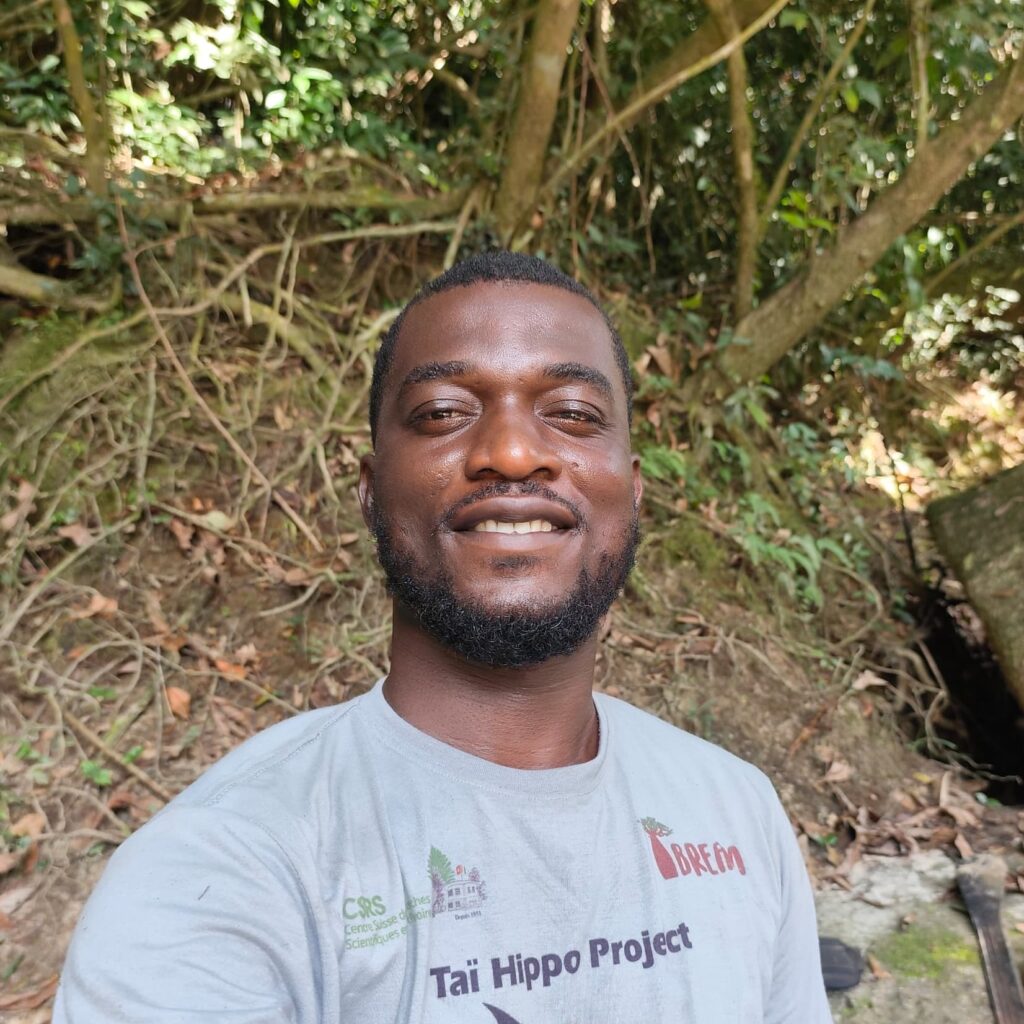
Dr. Hermann Digbeu
Hermann Digbeu, Associate Researcher, specialized in wildlife conservation and biodiversity preservation. Holder of a Master’s degree and a PhD in Conservation Biology and Wildlife Management from Felix Houphouët-Boigny University of Abidjan in Côte d’Ivoire, his research has mainly focused on the ecology and conservation of the pygmy hippopotamus in the Taï National Park.
Working since 2019 with IBREAM, he has officially joined the team in 2025 as a PostDoc in “Bending the Curve” research Program in Djouroutou (Côte d’Ivoire).
Convinced that the protection of nature is based as much on science as on the commitment of local populations, he actively participates in environmental education and awareness-raising initiatives, notably by organising Pygmy Hippopotamus Day , which is celebrated every year in villages situated near protected areas.
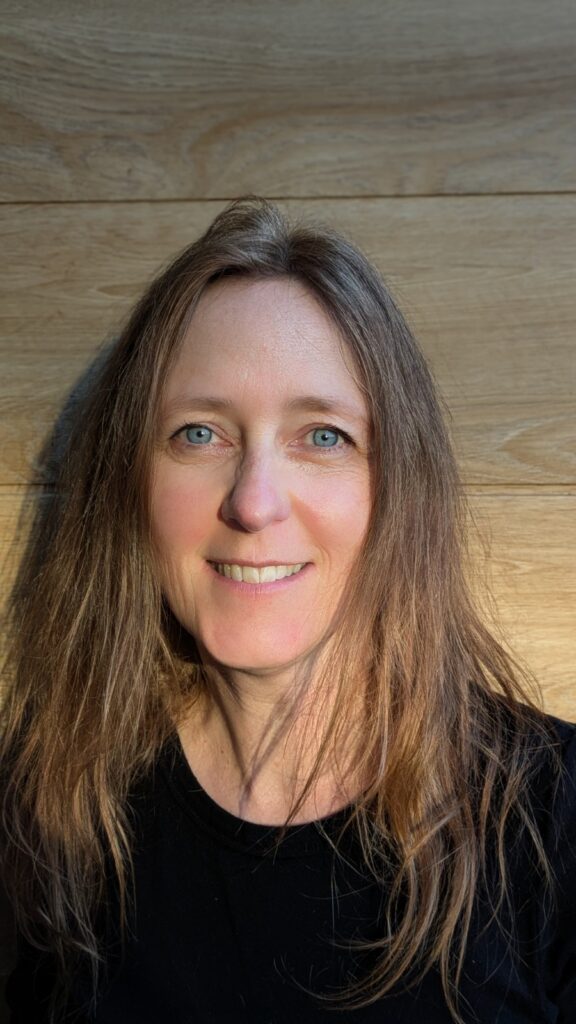
Mariska Snelleman
Mariska holds a Master’s degree in Biology from Leiden University and has been working with Conservation Detection Dogs since 2010. Combining scientific expertise with extensive field experience, she trains and deploys highly skilled detection dog teams to support wildlife conservation and ecological research.
Her work focuses on advancing the science of canine olfaction, refining laboratory-based scent discrimination studies, and developing reliable training and testing methodologies for conservation detection dogs. By bridging the gap between research and practical fieldwork, she helps ensure the highest standards of performance, reliability, and animal welfare. Passionate about innovation and collaboration, Mariska is dedicated to expanding the role of Conservation Detection Dogs as a powerful tool for biodiversity conservation and environmental management worldwide.
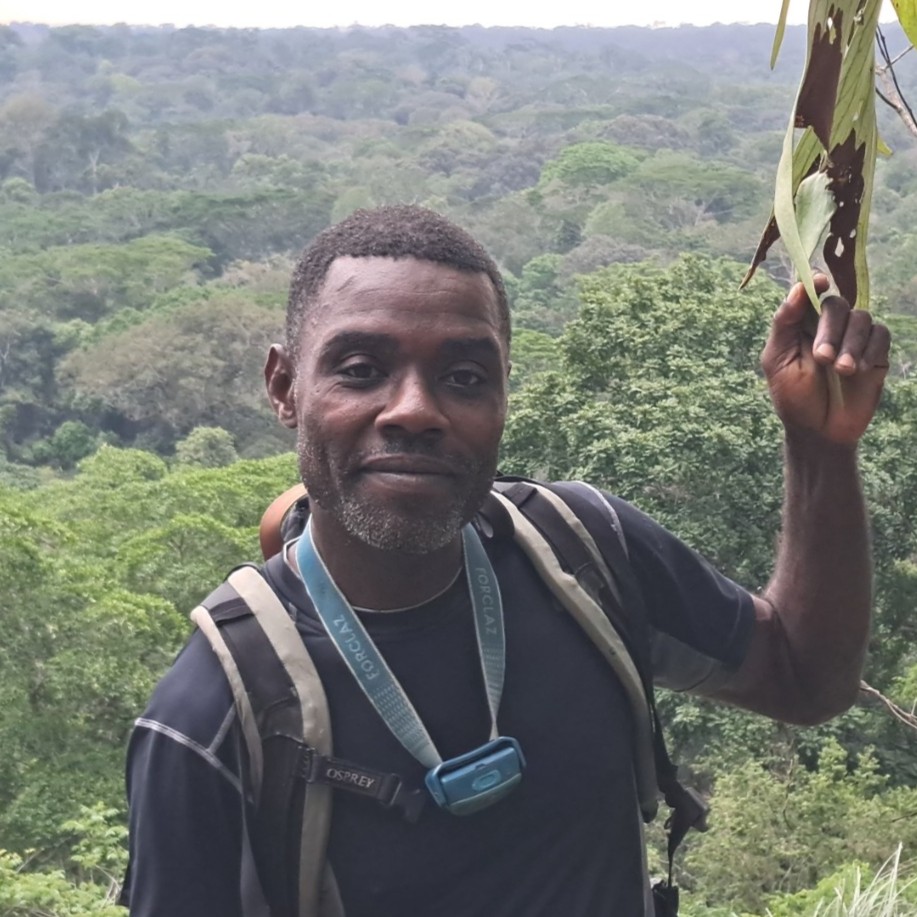
Innocent Toile
Innocent Toile was born and raised in the Ivorian village of Djouroutou. Despite this being less than five kilometers away from Taï National Park, like many members of the local community he had never actually set foot inside the rainforest. This changed in 2012, when he first got to join park rangers on an anti-poaching mission. The sight of giant trees and the sound of animals he had never even seen: it was love at first sight. Since then, Innocent has worked as a research assistant for various organisations, gaining an intricate understanding of the flora and fauna of the forest. Innocent has been a crucial and valued member of the Taï Hippo Project since 2025. When he’s not at Camp Hippo, he’s an active member of village life, promoting sustainability and spreading his love for nature.
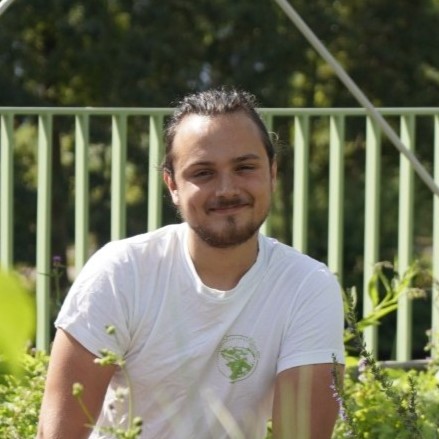
Jop Kempkes
Jop fell in love with nature at an early age, first becoming a conservation education volunteer at the Rotterdam Zoo at just 11 years old. Jop studied Biology (BSc Hons) and Biodiversity & Sustainability (MSc) at Leiden University, where he co-founded a native plant refuge. Jop joined IBREAM in 2024 for his Masters thesis on pygmy hippo habitat selection and has been deeply involved in the Taï Hippo Project ever since. Working at the interface of biotelemetry, genetics and botany, Jop hopes to one day understand how this jungle recluse perceives and navigates its increasingly human-dominated world.
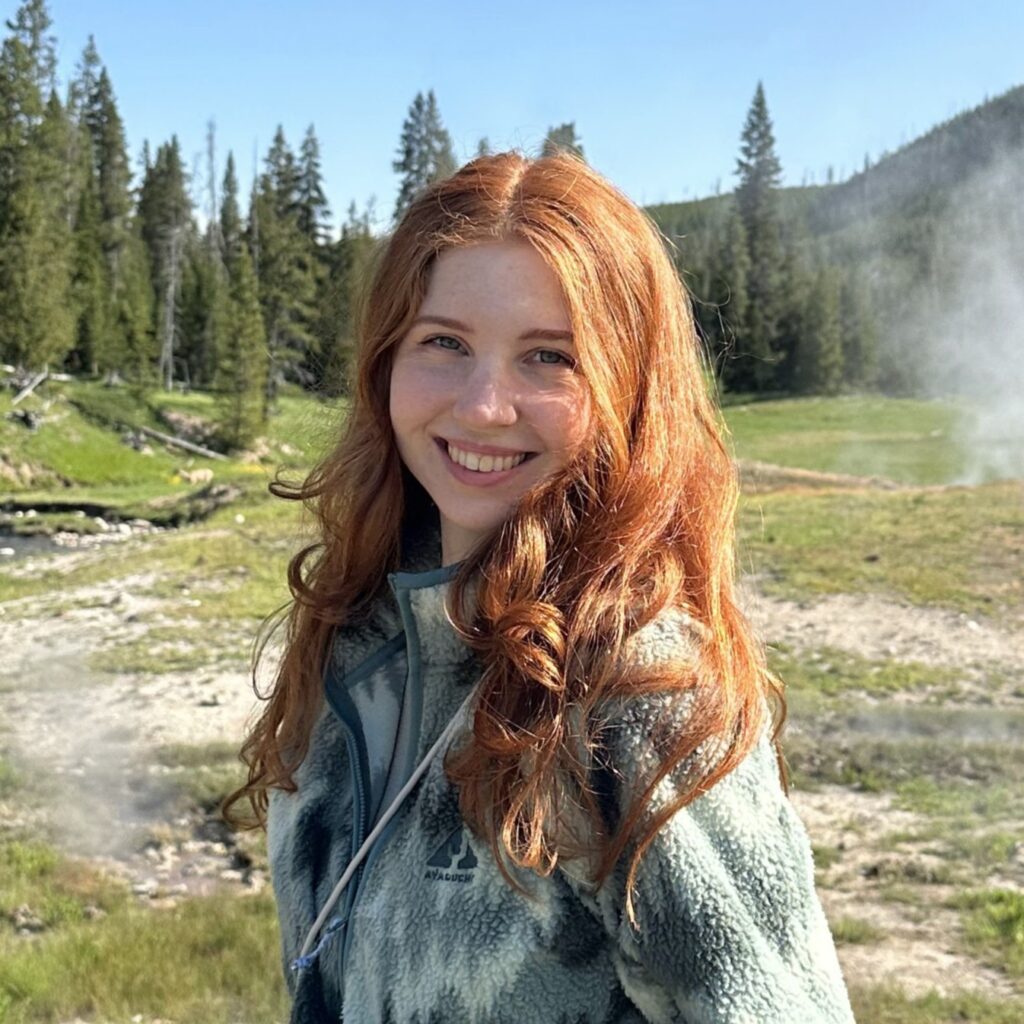
Lisa Rijkers
Lisa’s journey with IBREAM began in 2022 during her master’s thesis for Wageningen University & Research, where she specialized in Wildlife Conservation. Lisa traveled to the Ivory Coast with a conservation detection dog to search for the elusive pygmy hippo! After this success she stayed in contact with IBREAM and has now enthusiastically picked up the role of Communication Manager to share all the amazing work IBREAM is doing!
Alongside managing socials, Lisa is pursuing a veterinary medicine degree at Utrecht University (following her bachelor’s at the University of Antwerp) and volunteers hands-on at a local wildlife shelter. Lisa hopes to combine her knowledge in animal conservation together with her new expertise in animal health and welfare to work towards a safer and healthier world for animals and humans!
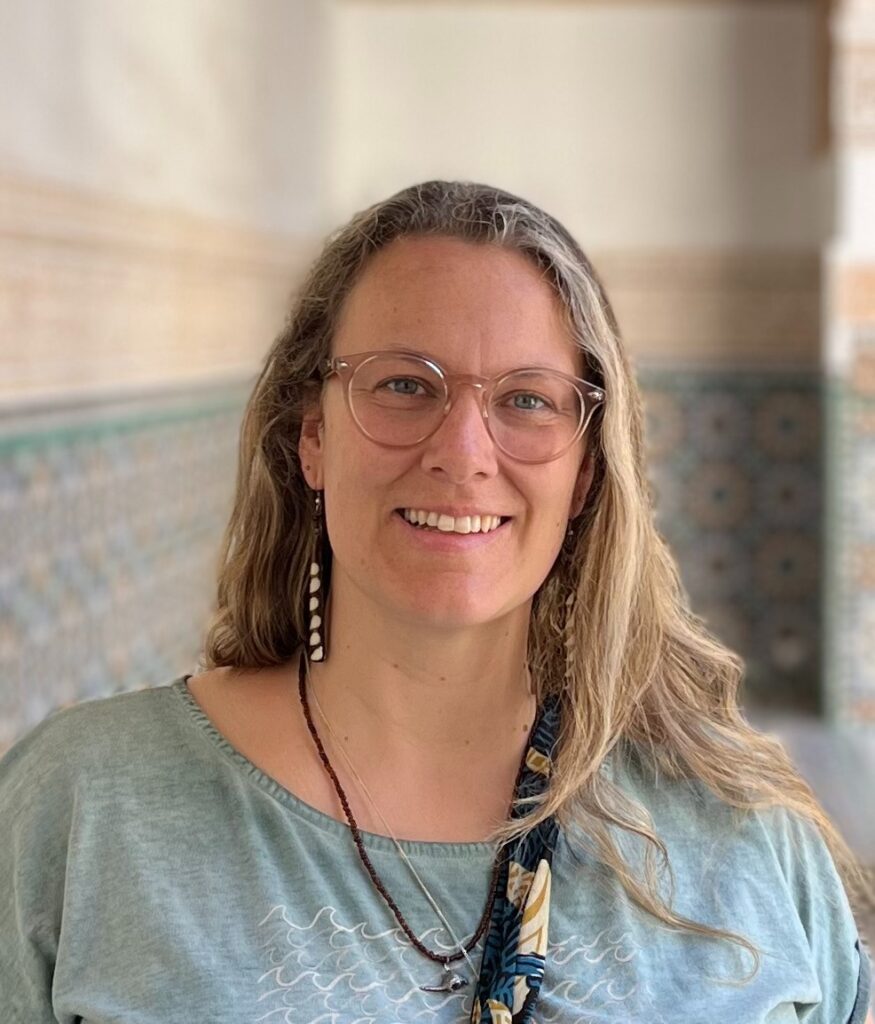
Robin Gieling
Robin is a wildlife veterinarian with over 12 years of experience working with domestic and wild species across several countries. Her work has focused on wildlife health, conservation, threatened species management, and the complex relationships between people and ecosystems. She has led veterinary operations for conservation organisations in Namibia, including the Cheetah Conservation Fund and the Kalahari African Wild Dog Conservation Project, where she has worked extensively with African wild dogs and other large carnivores. Alongside her fieldwork, Robin has trained veterinary students, supervised research projects, and contributed to scientific publications.
Since 2026, Robin has been pursuing a PhD with IBREAM and University of Pretoria, developing field-friendly artificial insemination and sperm collection techniques for African wild dogs to support the preservation of genetic diversity and long-term species conservation.
Advisory Panel Members

Dr Pim van Hooft


Previous Advisory Panel Members
Roger Collinson | Dr Henry Jabbour | Dr Rob Thomas | Prof Elissa Cameron | Dr John Hanks | Dr Mervyn Jacobson | Prof Eric Harley | Prof Ben Colenbrander | Dr Allison Kirsop | Professor Ian Wilmut